At A Glance
- See why more builders choose radiant floor heating for shops and garages
- Compare radiant slabs vs. forced-air heaters in real-world use
- Learn how radiant heat improves comfort, efficiency, and safety
- Understand installation, cost, and long-term performance
- Explore flexible system options from boilers to heat pumps
When it comes to keeping a shop or detached garage warm in winter, radiant floor heating is quickly becoming the system of choice. Unlike forced-air or unit-heater setups that blow hot air into one corner, radiant slabs heat from the ground up — creating consistent comfort, better efficiency, and cleaner air.
Let’s explore why more builders, mechanics, and hobbyists are switching to radiant.
Even, Comfortable Heat — From the Ground Up
- No cold spots or drafts
- Dust-free warmth — ideal for woodworking and auto repair
- Concrete acts as a thermal battery, retaining heat even when doors open
Ideal for Large, Open Spaces
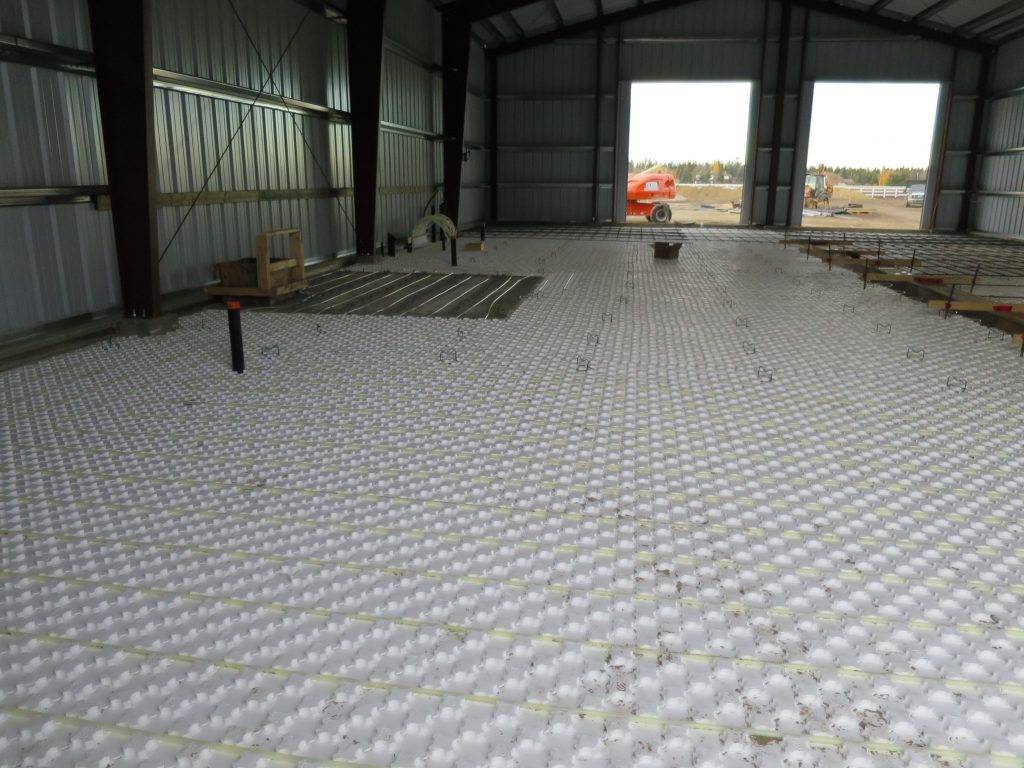
High ceilings and wide garage doors can make air-based systems inefficient. With radiant heat, the warmth stays right where you need it — at floor level.
When a big door opens, the slab’s stored heat helps stabilize the temperature quickly, avoiding that sharp drop you’d feel with a forced-air unit.
Energy Efficiency and Lower Operating Costs
Radiant floor systems typically run on lower water temperatures (85–120°F), making them a great match for high-efficiency boilers and air-to-water heat pumps.
Once the slab reaches temperature, it needs only small, steady inputs to maintain comfort. Zoning also allows you to heat specific areas — one bay, for instance — without wasting energy on the whole space.
That translates to lower fuel use and long-term savings.
Durability and Low Maintenance
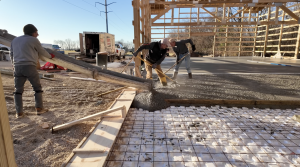
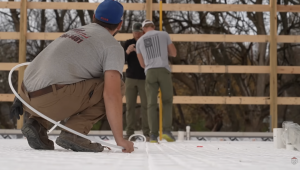
With PEX tubing safely embedded in the slab, there are no exposed heaters to damage or clog with dust.
- Typical tubing lifespan: 25–50+ years
- Minimal maintenance — just routine checks on pumps or boilers
- Silent operation and no moving air
It’s a “set-it-and-forget-it” heating solution that just works, season after season.
Comfort for People and Equipment
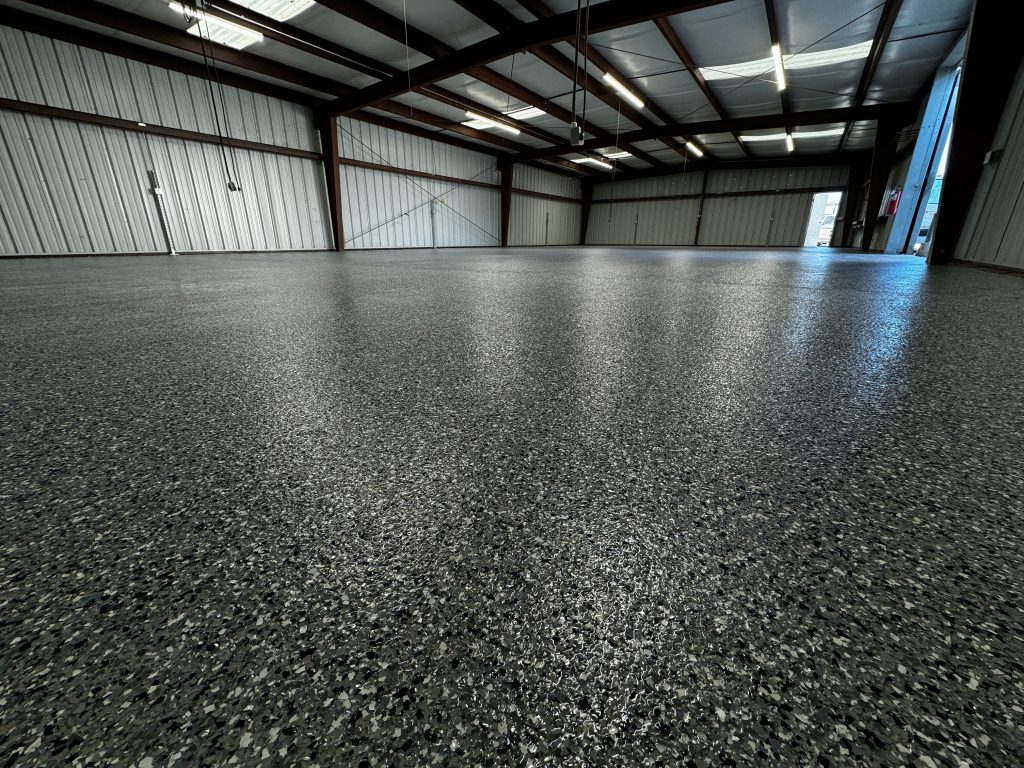
Anyone who’s worked in an unheated shop knows how uncomfortable cold floors can be. Radiant floors change that completely:
- Warm surfaces keep your feet (and your mood) comfortable
- Tools and vehicles stay warmer, reducing condensation
- Makes winter work more pleasant and productive
Even with lower air temperatures, the radiant effect makes the space feel comfortably warm.
Flexible Heat Sources
- Gas or propane boilers
- Electric boilers
- Geothermal or air-to-water heat pumps
- Outdoor wood boilers
- Solar thermal systems (as a supplement)
Works Great for Continuous or Occasional Use
Radiant slabs warm slowly, so they’re best kept at a steady temperature. Many owners maintain a moderate “holding” temp all winter for instant comfort when they need the space.
For less frequent use, you can keep it lower and bump it up a day before you plan to work.
Radiant Heated Slabs vs. Forced-Air Unit Heaters
| Feature | Radiant Heated Slab | Forced-Air Unit Heater |
|---|---|---|
| Heat Comfort | Even, draft-free warmth | Hot near ceiling, cold floors |
| Air Movement | No fans or dust | Circulates dust and debris |
| Warm-Up Speed | Slow, steady | Quick air warm-up |
| Energy Efficiency | High – low water temps, heat retention | Lower – short cycles, air losses |
| Performance in Tall Spaces | Heat stays at floor level | Heat collects at ceiling |
| Durability & Maintenance | Protected tubing, minimal service | Requires regular servicing |
| Floor Comfort | Warm floors, comfortable workspace | Cold floors |
| Door Openings | Retains and recovers heat quickly | Loses heat instantly |
| Installation Cost | Higher upfront, planned with pour | Lower, retrofit-friendly |
| Flexibility of Use | Best for steady or zoned heating | Best for quick, occasional heat |
| Noise | Silent | Fan noise during operation |
| Fuel Options | Multiple sources | Limited to gas, propane, or electric |
| Aesthetics & Space Use | Nothing on walls or ceilings | Takes up wall/ceiling space |
Cost and Payback Snapshot
For a 1,200–1,500 sq. ft. detached shop in a cold northern climate (like Central Ontario or Minnesota), here’s a simplified model based on typical assumptions:
- Radiant installation: ~$15,000
- Forced-air installation: ~$3,000
- Annual operating cost:
- Radiant: ~$900/year
- Forced-air: ~$1,500/year
While radiant slabs cost more upfront, the comfort and efficiency often pay back over 10–15 years, depending on usage and local energy prices.
(Model based on typical assumptions; actual results vary by region and design.)

Don't miss a thing!
Subscribe for exclusive content, insider industry news and limited edition webcasts.
Wrapping Up: Why Builders Choose Radiant
Radiant floor heating simply makes sense in shops and garages — where durability, comfort, and efficiency matter most. It keeps your work area warm, protects your tools, and reduces dust while lowering long-term costs.
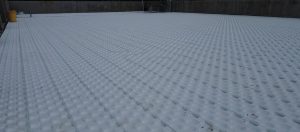
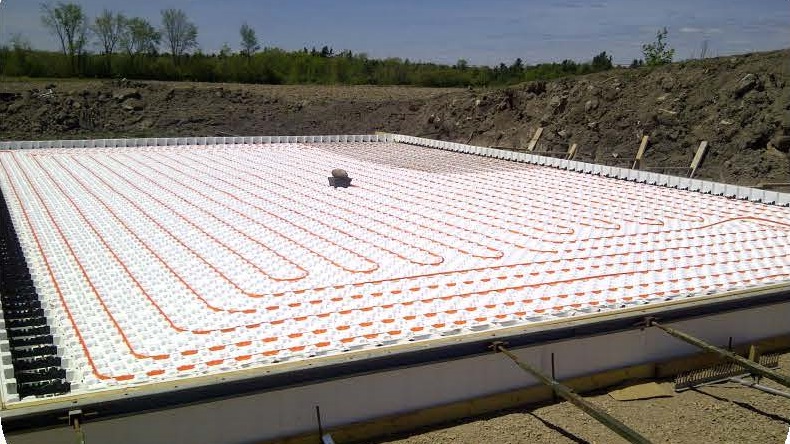
For builders and homeowners planning a new shop or detached garage, Heat-Sheet® panels make radiant slab installations faster, cleaner, and more energy efficient. They form a perfectly insulated base for your radiant tubing, reducing heat loss and improving performance for decades to come.
Learn more about Heat-Sheet radiant panels and installation options at Heat-Sheet.com.